
Seismic Bracing Design
Seismic bracing design for building services and suspended equipment: ductwork, pipework, cable trays, sprinkler systems and the plant hung beneath the slab. Calculations, layout drawings and installation details to IBC, ASCE 7, NFPA 13, Eurocode 8 or the code that applies to your project.
Two scopes
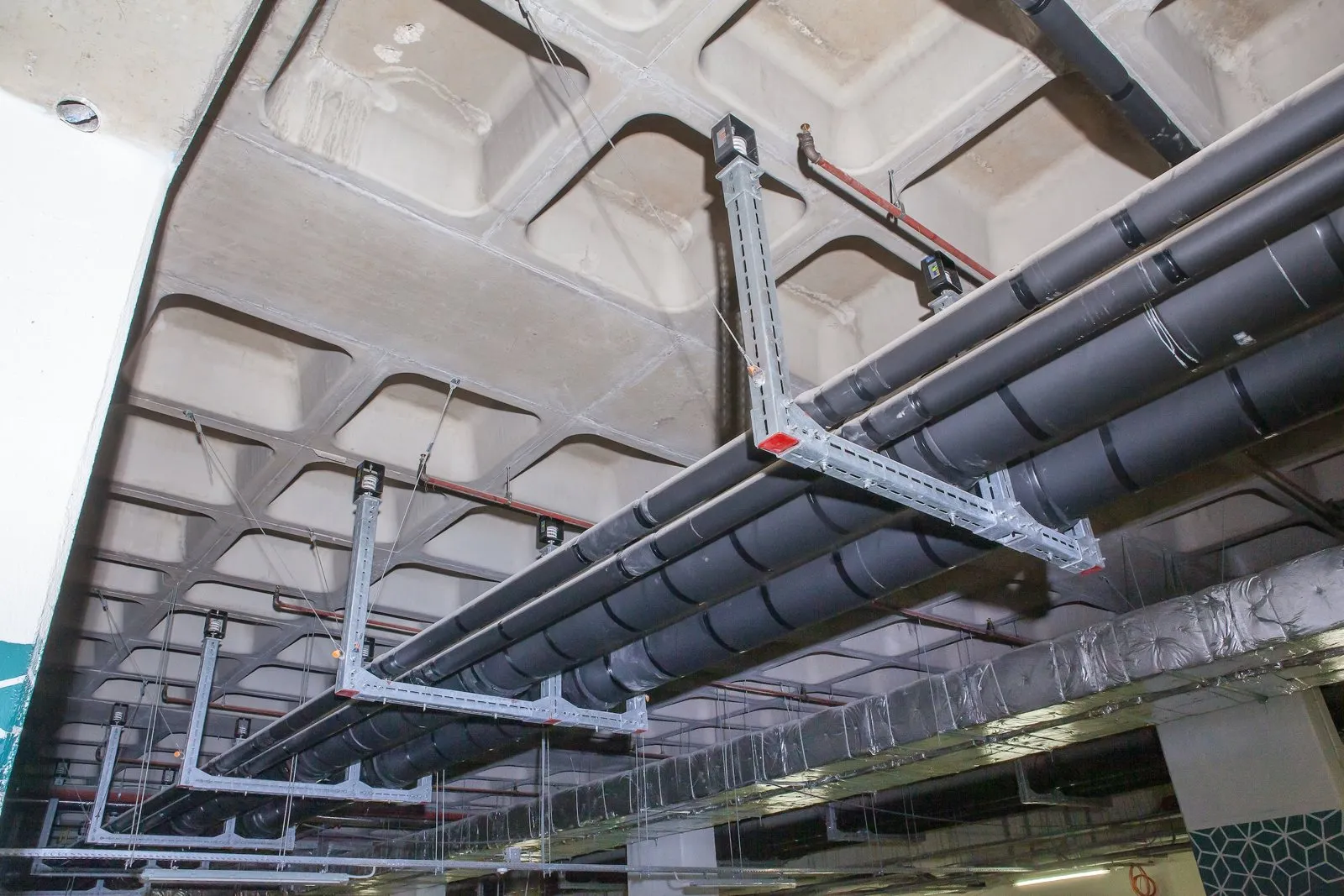
Distributed services, and the plant hung among them
Most projects need both, and we design them as one package. The principle does not change from one to the other: seismic restraint is a load path, not hardware. A brace is only as good as the route its force takes into the structure.
- 01
Building Services
- Covers
- Pipework, ductwork, cable trays, fire sprinkler and standpipe piping.
- Key question
- Where bracing is required along each run, and where it is not.
- Outcome
- Calculations, layout drawings with restraint locations, and installation details.
- 02
Suspended Equipment
- Covers
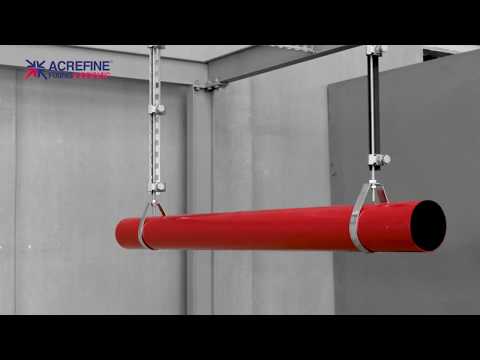
- Fan coil units, air handling units, fans and tanks hung from the slab, rigidly or on spring hangers.
- Key question
- How the unit is restrained in every direction without losing its vibration isolation.
- Outcome
- Brace and hanger-rod checks, connection details and installation drawings.
Two objectives, every time
Non-structural components need seismic protection of their own, separate from the structural design of the building. Every bracing design we produce works to two objectives:
- Keep movement within limits. Displacement during an earthquake stays inside what the system and its connections can safely absorb.
- Carry the load into the structure. Every brace generates a force, and every design accounts for where that force goes and what the structure needs to receive it.
Controlled movement plus a clear load path is what separates seismic restraint from hardware that is simply bolted on and hoped for the best.
We won’t brace what doesn’t need it
Not every component needs bracing. Services on short hangers, smaller pipe and duct sizes, and some trapeze-mounted items often fall within the exemptions of the applicable code. We check this before we design anything, so you do not pay for hardware, drawings and installation labour your project does not need.
01Bracing for building services
Cable or rigid
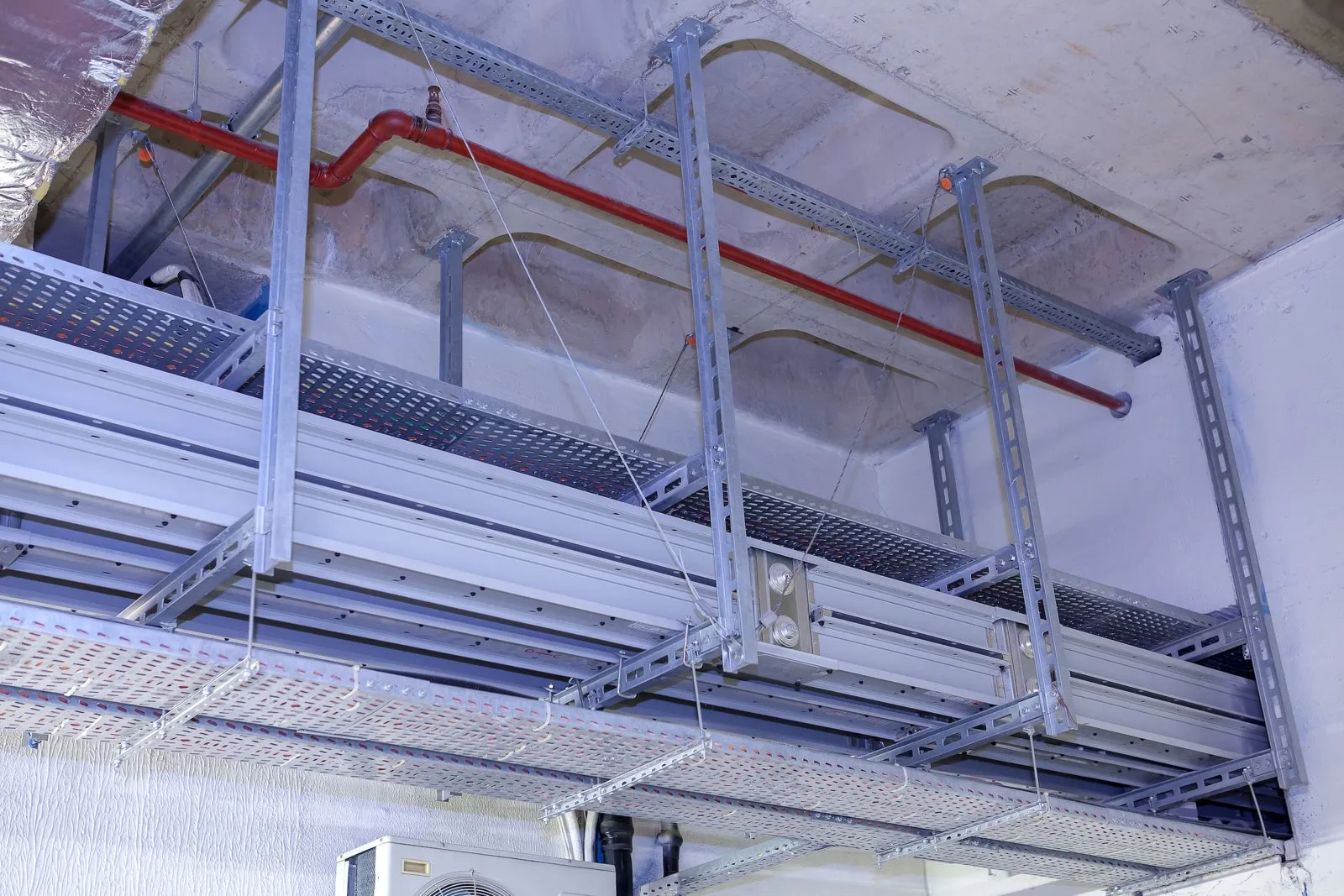
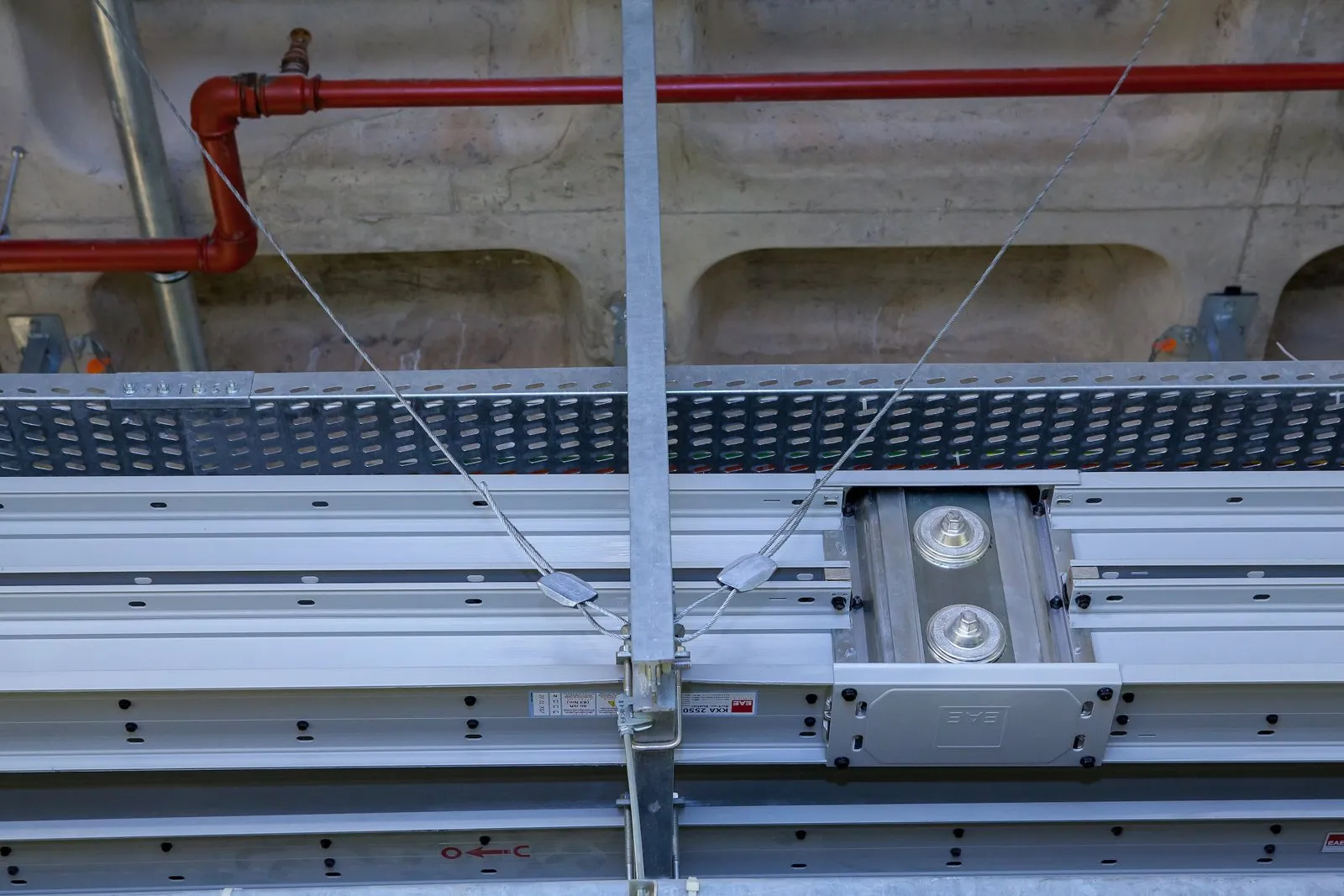
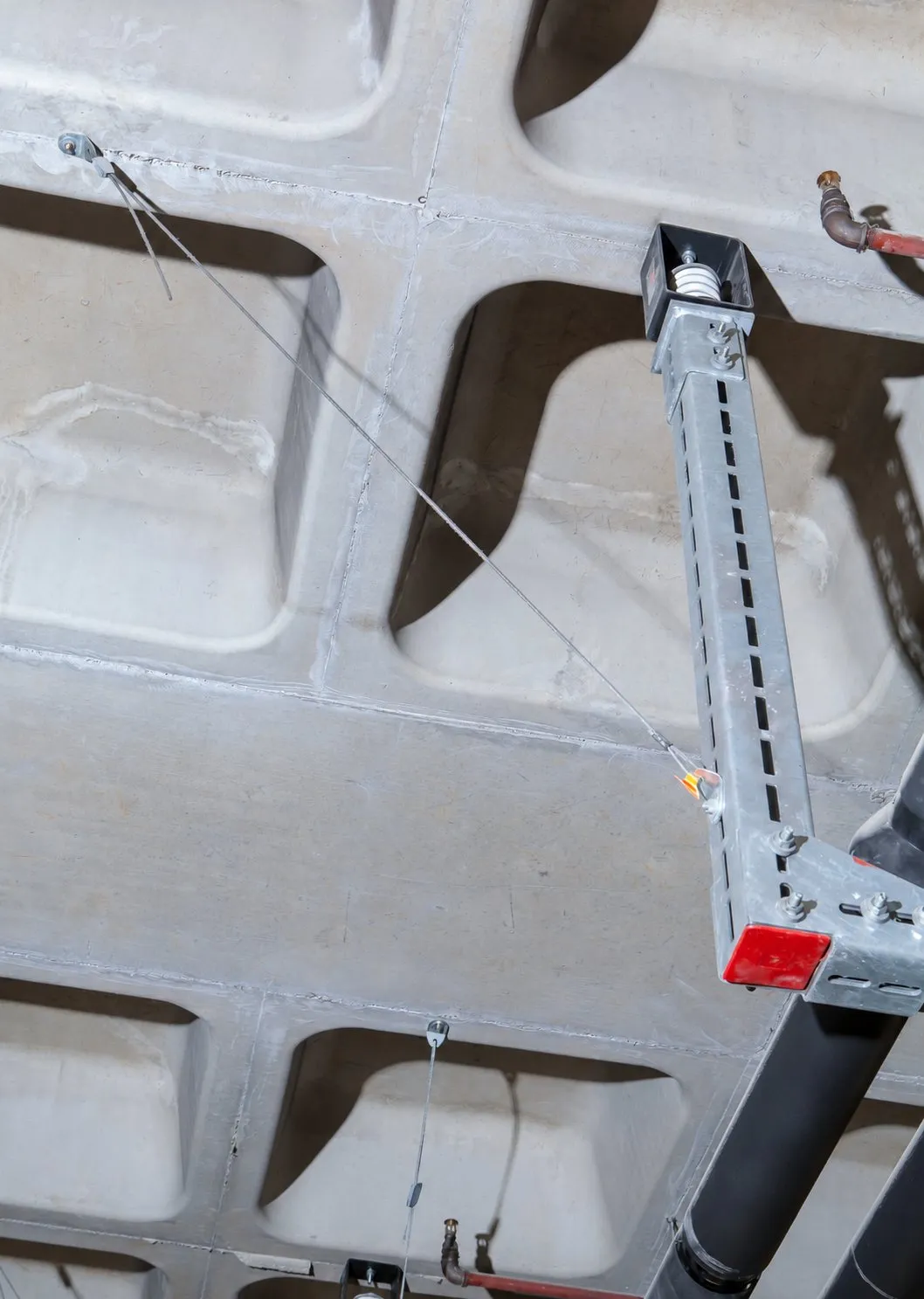
Where the geometry allows it, cable bracing is often the more efficient choice: cables work in tension only and absorb movement without the stiffness, and the cost, of rigid braces. Rigid braces carry compression too, so they must be checked for buckling, which adds calculation, hardware and installation work. We choose case by case, by span, load and load path, not by what is easiest to specify.
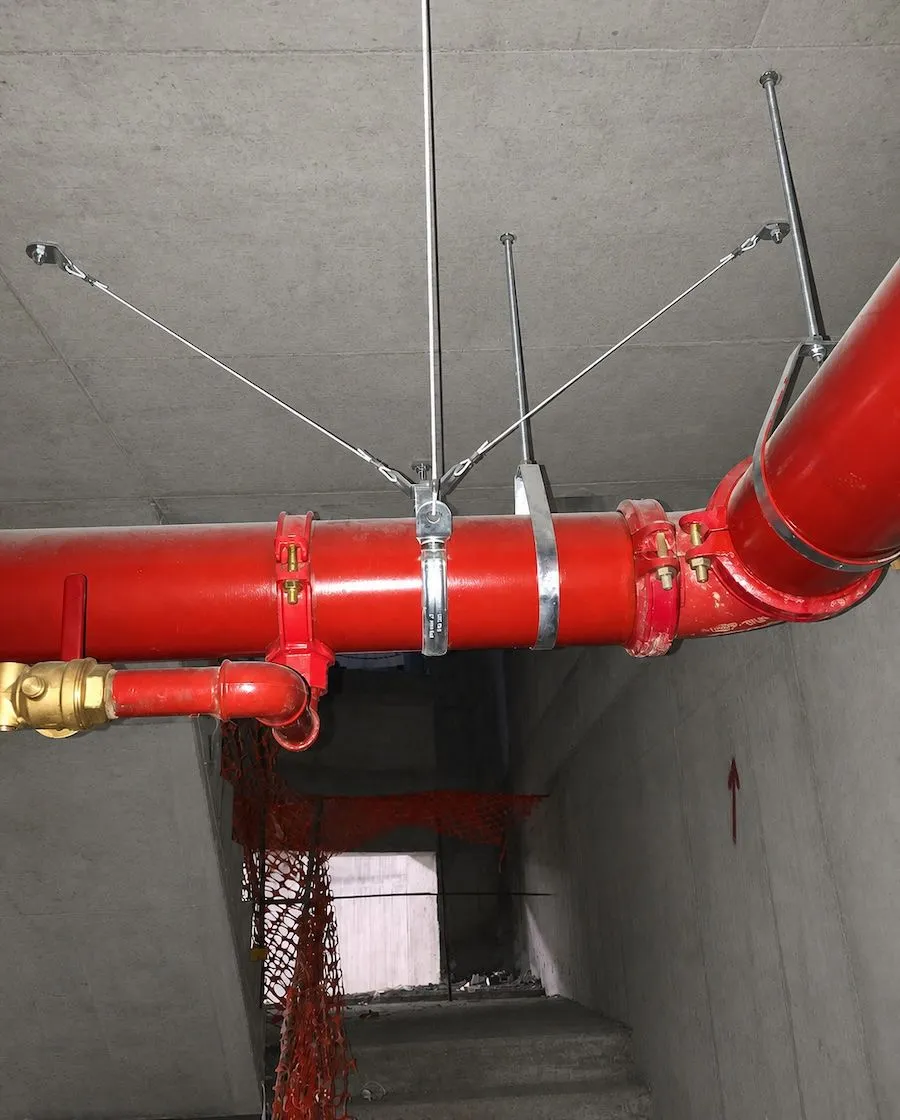
Fire sprinkler systems
Sprinkler and standpipe piping carries its own seismic bracing requirements under NFPA 13. We handle that scope inside the same design package, not as a separate job. For fire protection work beyond bracing, see our fire safety engineering service.
What you receive
- Bracing calculations for pipework, ductwork, cable trays and sprinkler piping
- Assessment of where bracing is, and is not, required
- Layout drawings showing restraint locations across the services scope
- Installation details for site use
02Bracing for suspended equipment
Equipment hung from the slab — fan coil units, air handling units, fans, tanks — behaves differently from a pipe run. Its mass is concentrated, so the seismic force is concentrated too, and it has to be restrained in every horizontal direction, not only across a run.
Hanger rods take the uplift
Under seismic load a braced unit pulls on some hanger rods and pushes on others. A rod in compression can buckle, so we check every rod and specify rod stiffeners where the length and load require them.
Isolated equipment: restrained, not fixed
Plant on spring hangers is resiliently mounted yet seismically restrained. The bracing must not short-circuit the isolation. Cable restraints are installed with a small, controlled slack: in normal operation the unit floats on its springs, and in an earthquake the cables take up the movement before it becomes damaging.
How a bracing project runs
- 01Scope review
Drawings and equipment schedule in; what needs bracing, and what is exempt, out.
- 02Calculations
Seismic forces, brace spacing, connection and anchor checks to the applicable code.
- 03Layout drawings
Restraint locations across the full services and equipment scope.
- 04Installation details
Brace, hanger and anchor details for the site team.
- 05Site verification On request
Inspection of the installed bracing against the design. Part of the package when the project needs it; the design stands on its own without it.
What seismic bracing does — and doesn’t — do
Bracing keeps a component in place and carries the seismic loads it generates into the structure. It does not, by itself, prove the component’s internal integrity, or that it still works after the event. Those questions are answered by analysis or testing, and they apply mostly to floor-mounted and freestanding equipment.
Related serviceSeismic Calculations for Equipment Floor-mounted and freestanding equipment: overturning calculations, equipment seismic analysis and shake table testing.Questions
Before you ask for a quotation
Does every pipe and duct need bracing?
No. Depending on the code and the seismic category of the building, short hangers and smaller sizes are often exempt. Checking the exemptions is the first step of every design we do.
Cable or rigid bracing?
Cable bracing is often lighter and quicker to install; rigid bracing suits tight geometry and some short runs. We choose per location, by span, load and the structure available.
Do you inspect the installation on site?
Yes, on request. Site verification checks the installed bracing against the design and can be part of the package. The design stands on its own without it.
Do you supply the bracing hardware?
Standard bracing components are available through our online store Fixing Smith. Project-specific and heavy-duty items come directly from us.
Our products
Seismic Restraint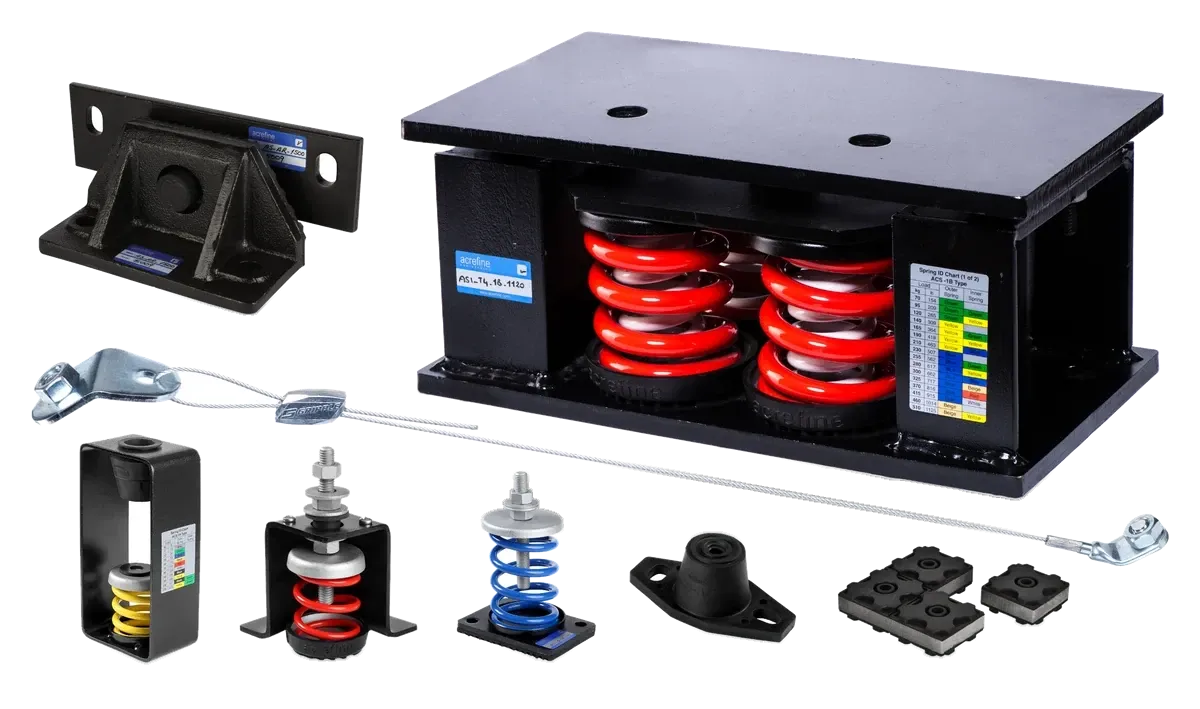
The braces and hangers our designs specify — standard ranges through our online store Fixing Smith, project-specific units directly from us.

Describe the services and where the building is.
We will tell you what needs bracing — and what does not.